
1916 5C Doubled Die Obverse Buffalo Nickel
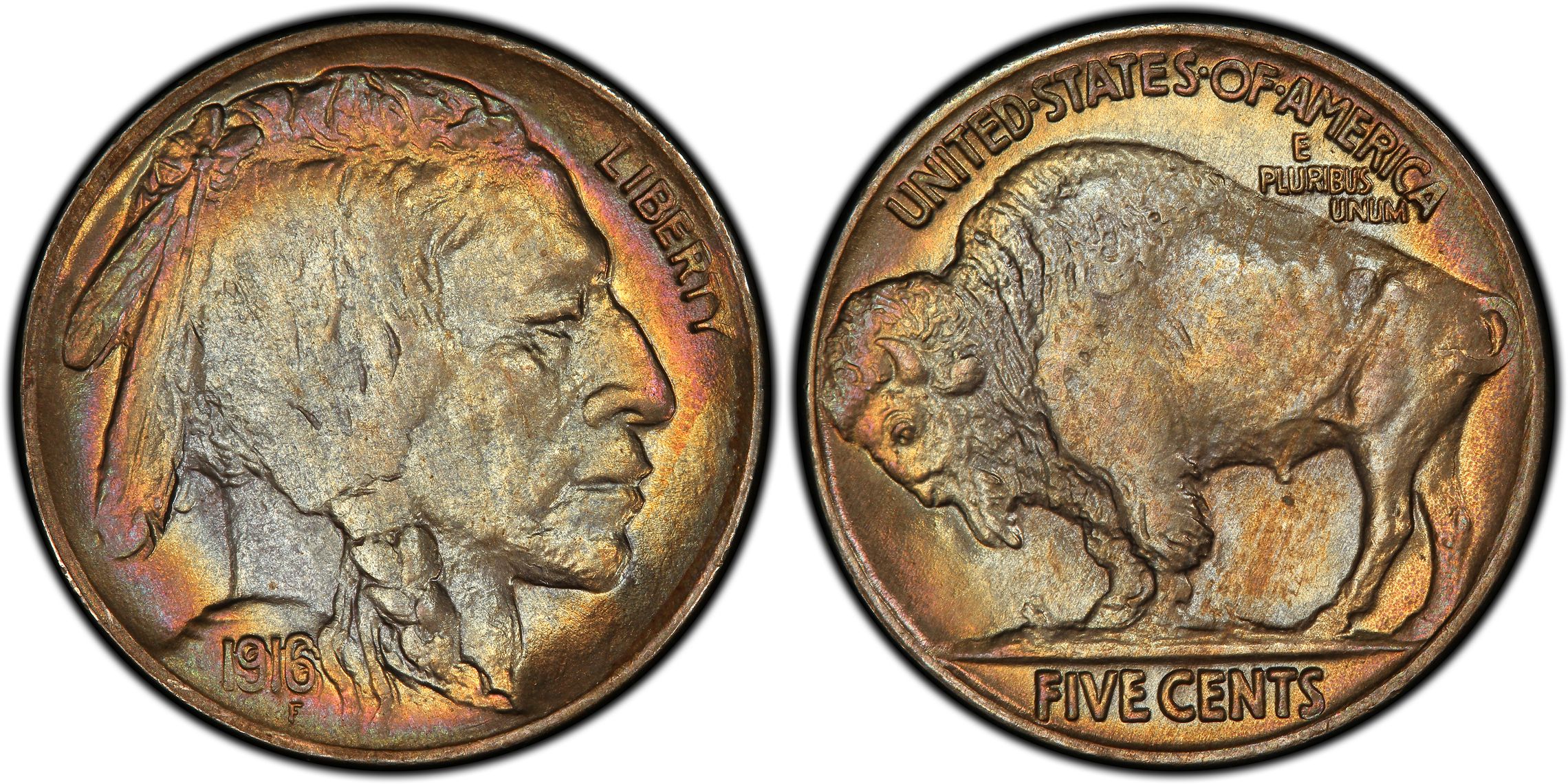
The 1916 5C Doubled Die Obverse Buffalo Nickel is an intriguing and sought-after coin among numismatists, characterized by a distinct doubling on the obverse, particularly noticeable in the inscriptions like the date and the words "LIBERTY." Its rarity and historical significance make it a centerpiece for coin collectors and enthusiasts.
Mintage and Mint Details
The 1916 5C Buffalo Nickel was struck at the Philadelphia Mint, bearing no mint mark as per the tradition until mid-20th century for coins minted there. The overall mintage for Buffalo Nickels in 1916 was approximately 63,498,066. However, the exact number of coins with the Doubled Die Obverse remains unknown due to its accidental nature and lack of official documentation during the minting process. **PCGS #**: The Professional Coin Grading Service (PCGS) has designated this coin with the identification number 3931. This number aids collectors and dealers in verifying the authenticity and grading of the coin.
Rarity and Collectibility
The 1916 5C Doubled Die Obverse is exceptionally rare mainly due to the limited number of coins exhibiting this error, a result of a misalignment in the minting process. Its scarcity makes it one of the prized possessions among Buffalo Nickels and coin errors in general, driving up its desirability and market demand.
Value and Auction Sales
The value of the 1916 5C Doubled Die Obverse can vary widely based on its condition. Coins in lower grades may fetch several thousand dollars, while those in mint state can command significantly higher prices. For example, an MS64 graded coin might range from $80,000 to $120,000 at auction, with the highest recorded sales reaching beyond those estimates. Due to its allure, this coin often achieves significant attention in numismatic auctions, with verified sales indicative of its premium status among collectors.
Historical Significance
From a historical perspective, the 1916 Doubled Die Obverse encapsulates a moment of error during a prolific period in American coinage. The Buffalo Nickel, designed by James Earle Fraser, was intended to capture the spirit of the American West, with its design featuring an American bison and a Native American profile. The doubling error adds an additional layer of intrigue, highlighting the complexities and imperfections in early 20th-century minting processes.
Numismatic Perspective
Collectors highly covet this coin not only for its rarity but also for its contribution to the study of minting errors. From a numismatist's point of view, the 1916 5C Doubled Die Obverse offers insight into the challenges faced by mint officials and the technological limitations of the era. The doubled die phenomenon remains a popular subject of study and fascination within the numismatic community. For collectors aiming to add this remarkable coin to their collection, verifying authenticity and understanding the grading process is crucial, especially due to the significant investments often involved. The 1916 5C Doubled Die Obverse continues to be a symbol of numismatic rarity and a testament to the rich history of American coinage.


